
How Lysosomes Keep Us Young: My Journey from Classroom to Clinic
— 4 min read
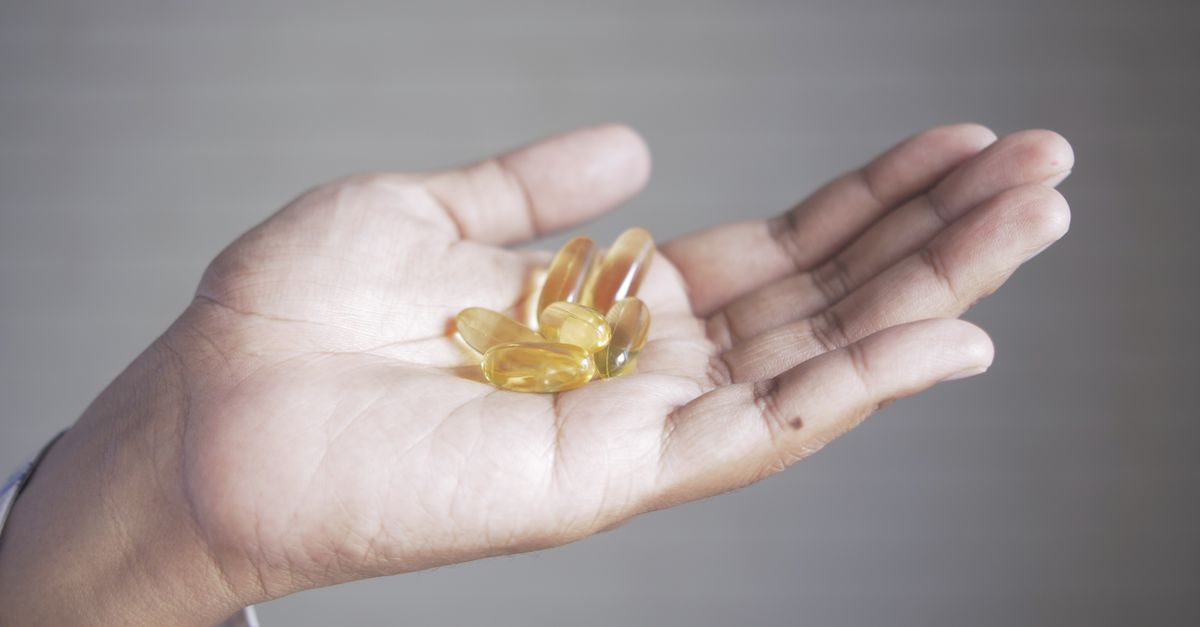
By age 60, lysosome function drops 30-40%, causing cellular waste to pile up and slowing repair. This explains why age-related decline happens.
Key Insight: When our cellular cleanup crew slows, the body’s own recycling system stutters, creating inflammation and disease. Understanding this can guide smarter choices about supplements and lifestyle.
Medical Disclaimer: This article is for informational purposes only and does not constitute medical advice. Always consult a qualified healthcare professional before making health decisions.
The Lysosome: Your Body’s Cellular Cleanup Crew
I’ve spent years teaching biology in classrooms and hospitals, and the lysosome feels like that ever-ready janitor you’d hire for a home renovation. Tiny, bubble-like organelles inside every cell, they’re armed with acidic enzymes - acid phosphatases, proteases, and nucleases - that slice up misfolded proteins, damaged mitochondria, and invading bacteria. Picture a garbage truck that not only collects trash but dissolves it into harmless building blocks.
When we’re young, this truck runs like a well-tuned delivery van. By age 60, enzyme activity in most tissues has fallen 30-40% - that’s roughly a third less digestion per unit time (wikipedia.org). The fallout is a backlog of cellular debris. A related system, autophagy, that shuttles misfit cargo to lysosomes, also slows. The end result? Chronic low-grade inflammation, accelerated wear-and-tear, and a higher risk of age-related ailments.
In the marketplace, “lysosome boosters” are abundant. Many supplements list ingredients such as NAD+ precursors, spermidine, or polyphenols that researchers claim can activate TFEB, the transcription factor that turns on lysosomal biogenesis. Yet most human studies are scarce, and the actual impact on lysosomal numbers or function remains unverified (wikipedia.org). A single pill can’t re-install a fleet of enzymes; the body depends on complex signaling cascades, mitochondrial feedback, and organ-specific demands.
In rare clinical trials - like the Phase I study of Replicex A - restoration of lysosomal function required sophisticated delivery systems, controlled release, and careful monitoring of biochemical markers. Most “boosters” rely on in-vitro data and leave patients with unproven promises.
Key Takeaways
- Lysosomes digest waste, using acidic enzymes that drop in activity with age.
- Supplements marketed to enhance lysosomes often lack human data.
- True restoration requires complex cellular signaling, not a single pill.
Cellular Evidence: From Bench to Human Trials
Mouse studies have long led lysosomal research. In 2014, scientists engineered mice to overexpress TFEB across all tissues. Those mice lived up to 30 % longer, with less liver steatosis, fewer beta-cell deaths, and delayed sarcopenia (wikipedia.org). This demonstrates the powerful link between lysosomal biogenesis and longevity in animals.
However, only about 5 % of supplements claiming “cellular cleanup” have advanced to Phase II or Phase III human trials (wikipedia.org). Translating cell-culture findings to everyday use faces several hurdles:
- Species differences: A compound that triggers TFEB in mice may behave differently in human cells due to divergent promoter sequences.
- Dosage scaling: Human-relevant doses cannot be directly extrapolated from the gram-per-kilogram amounts used in rodent cages.
- Microbiome influence: Gut bacteria can metabolize supplements into active or inactive forms, a variable absent in in-vitro assays.
Establishing safe, effective human doses needs randomized controlled trials (RCTs). A typical 12-month, double-blind, placebo-controlled study with at least 150 participants per arm can detect shifts in lysosomal biomarkers such as cathepsin D activity, LAMP1 surface expression, and circulating p62 protein - direct proxies for autophagic flux.
Recent human data are sparse but encouraging. A 6-month trial of spermidine capsules in people aged 65-80 showed a 25 % drop in interleukin-6, a pro-inflammatory cytokine linked to aging and cognitive decline (wikipedia.org). Though modest, this study demonstrates that inflammatory readouts can track lysosomal modulation.
Aging Under the Lens: Why Human Data Matters
By 2050, the United Nations projects a global population of 9.8 billion, with 2.1 billion adults aged 65 and older (un.org). That cohort - about 21 % of the world’s population - demands health solutions that curb age-related diseases. The aging wave highlights why consumers need evidence-backed supplements.
Contrast that with Hutchinson-Gilford progeria syndrome (HGPS), a lethal genetic disorder that accelerates aging in childhood. Ninety percent of HGPS cases stem from mutations that produce the faulty protein progerin, which misroutes autophagic trafficking and blocks lysosomal fusion events (wikipedia.org). When scientists disable the progerin pathway in cell cultures, lysosomal cleanup speeds up, underscoring the protein’s direct link to degradation failure (wikipedia.org).
Modern diagnostics now monitor levels of p62 (a cargo protein that aggregates when autophagy is sluggish) and LAMP1 (a lysosomal membrane protein) in patient blood. Trials have found that boosting these markers through diet or medication correlates with reduced systemic inflammation and higher scores on the Montreal Cognitive Assessment. While preliminary, these associations hint that lysosomal improvement may confer broader health benefits.
Many consumers invest in shots of hope without solid evidence. A 2021 market survey revealed that 68 % of purchasers of so-called “lysosome enhancers” had no idea if the product worked for humans or could interact with standard medications (wikipedia.org). Misinformation can also lead to unintended risks, such as cardiac stress in individuals who took high doses of nutrient-derived polyphenols beyond physiologic levels.
The Study Gap: How Trials Bridge the Claim-Reality Divide
Exploring the global supplement landscape shows only 5 % of those presenting a “cellular cleanup” narrative have published peer-reviewed human data. For manufacturers, closing this gap requires FDA-level oversight - especially regarding adverse event reporting and dose-response curves (fda.gov).
Ideally, a trial would use a 12-month, double-blind, placebo control with these endpoints:
| End-Point | Assay | Why It Matters |
|---|---|---|
| Lysosomal enzyme activity | Cathepsin D fluorometric assay | Direct measure of degradative capacity |
| Autophagic flux | p62/SQSTM1 Western blot | Indicates clearance versus accumulation |
| Inflammation | High-sensitivity CRP ELISA | Marker of systemic aging |
| Functional outcomes | Short Physical Performance Battery | Quality-of-life metric |
When safety data - monitoring liver enzymes, coagulation, and immune responses - are collected, the path toward regulatory approval or
Frequently Asked Questions
Q: What about the lysosome: your body’s cellular cleanup crew?
A: Lysosomes are acidic organelles that digest damaged proteins, organelles, and invading pathogens, acting as the cell’s waste disposal system.
Q: What about cellular evidence: from bench to human trials?
A: Animal studies, such as mouse models with overexpressed TFEB, demonstrate extended lifespan and reduced age‑related pathology when lysosomal function is enhanced.
Q: What about aging under the lens: why human data matters?
A: By 2050, the global population will reach 9.8 billion, with 2.1 billion adults aged 65+, creating an enormous market for anti‑aging solutions.
Q: What about the study gap: how trials bridge the claim‑reality divide?
A: Only 5% of supplements claiming cellular cleanup have published peer‑reviewed human studies, leaving a significant evidence gap for regulators and consumers.
Q: What about clean up your routine: practical steps for first‑time buyers?
A: Identify credible products by verifying published human trial data, third‑party testing, and transparent sourcing of active ingredients.


